The Fractional exhaled Nitric Oxide (FeNO) test is a simple, non-invasive breath test that measures the amount of nitric oxide in the air you exhale. This measurement is a crucial indicator of airway inflammation, especially in conditions like asthma. By detecting elevated levels of nitric oxide, healthcare providers can better understand the severity of inflammation in the airways. The test is quick to perform and can be repeated regularly to monitor how well asthma treatments are working. Additionally, it helps in distinguishing asthma from other respiratory conditions, allowing for more accurate diagnosis and personalized treatment plans. The FeNO test can be particularly useful in guiding adjustments to medication, ensuring patients receive the most effective therapy with minimal side effects. It is suitable for patients of various ages and can be easily incorporated into routine clinical evaluations. Overall, this test serves as a valuable tool in the comprehensive management of respiratory health.
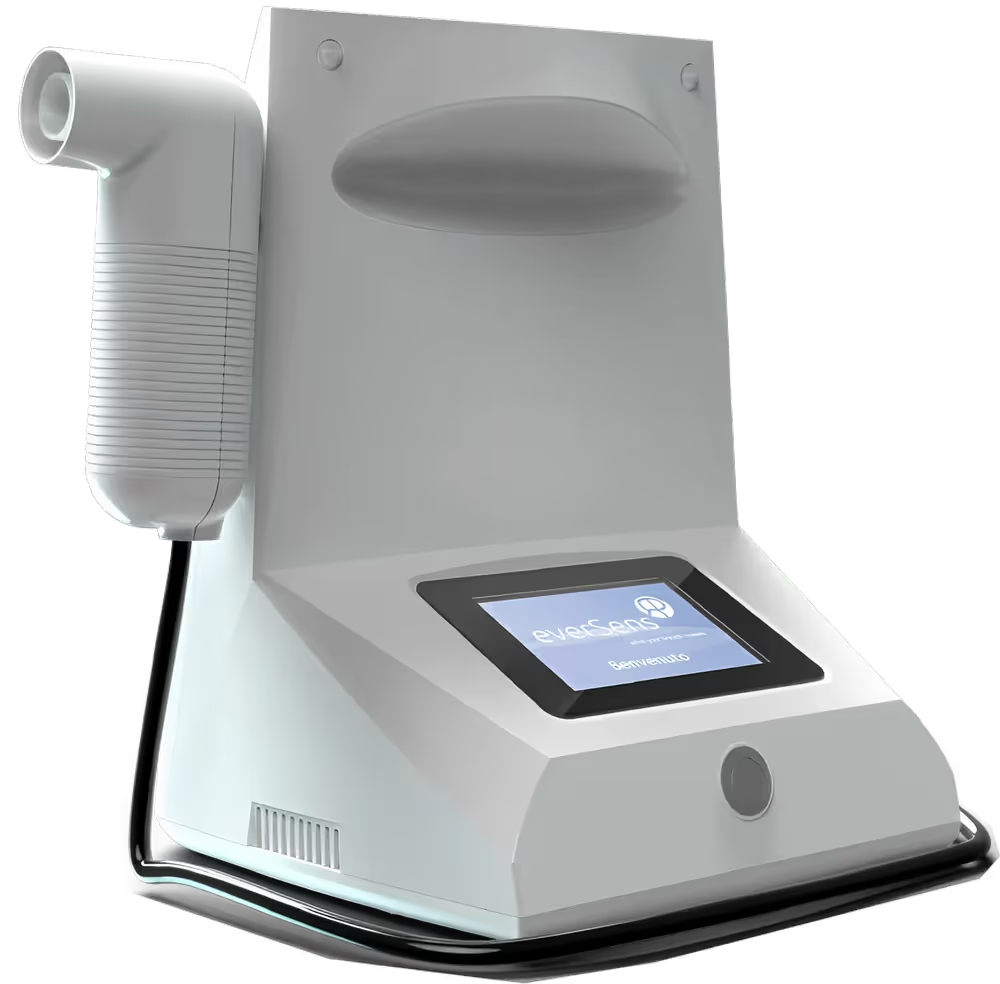
The Fractional Exhaled Nitric Oxide (FeNO) test is a non-invasive, simple, and accurate method to measure airway inflammation, particularly useful in the diagnosis and management of asthma. Here, we outline the key aspects of this valuable diagnostic tool.
The FeNO test is primarily indicated for diagnosing asthma, monitoring treatment effectiveness (especially with inhaled corticosteroids), identifying patients at risk of asthma exacerbations, and differentiating asthma from other respiratory conditions. It helps assess eosinophilic airway inflammation.
To ensure accurate results, patients should avoid smoking, consuming alcohol, caffeine, and nitrates (found in some foods like leafy greens) for at least one hour before the test. Strenuous exercise should also be avoided, and asthma medications should be taken as prescribed unless otherwise advised by a physician.
The FeNO test is performed using a specialized device, such as the advanced Evernoa FeNO machine. The patient exhales slowly and steadily into a mouthpiece for about 10 seconds. The machine measures the concentration of nitric oxide in the breath, providing a quantitative measure of airway inflammation. The procedure is quick, simple, and non-invasive, making it suitable for all ages.
Understanding your FeNO (Fractional Exhaled Nitric Oxide) levels is crucial for effectively managing asthma and optimizing treatment. This test provides insights into airway inflammation, guiding personalized therapeutic strategies.
Indicates well-controlled asthma and minimal eosinophilic airway inflammation. Treatment may be optimal, or reduction in steroid dose might be considered, always under medical guidance.
Suggests presence of eosinophilic inflammation, possibly indicating uncontrolled asthma or a need for treatment adjustment. Close monitoring and evaluation by your doctor are recommended.
Strong indicator of significant eosinophilic airway inflammation, often associated with poorly controlled asthma. Intensification of anti-inflammatory treatment, such as inhaled corticosteroids, is typically required.
FeNO values empower clinicians to tailor treatment plans, predict response to inhaled corticosteroids, and monitor adherence and effectiveness. This personalized approach leads to better asthma control, reduced exacerbations, and improved quality of life.
At PulmoCare Center @Sodepur, we strive to provide you with the clearest and most comprehensive information. Here you will find answers to the most common questions about the FeNO test.
The FeNO test (fractional exhaled nitric oxide) measures the amount of nitric oxide in your breath. Elevated levels of nitric oxide often indicate inflammation in the airways, which is common in conditions such as asthma.
It is performed to help diagnose and monitor eosinophilic asthma, evaluate the response to treatment with inhaled corticosteroids, and adjust medication dosages for optimal asthma control. It is a valuable tool for understanding the inflammation of your airways.
The Evernoa FeNO machine used in our center is a state-of-the-art device that ensures precise and reproducible measurements. Its advanced technology minimizes human error and provides reliable results, essential for effective diagnosis and monitoring.
FeNO is a key non-invasive diagnostic tool for asthma. Elevated FeNO levels suggest the presence of eosinophilic airway inflammation, which is indicative of asthma, especially when accompanied by respiratory symptoms and airway obstruction.
During follow-up, FeNO levels can indicate whether airway inflammation is well controlled with the current medication. If the levels change, it may suggest the need to adjust treatment to prevent exacerbations or to optimize the corticosteroid dosage.